When The King’s Trust set out to mark fifty years of working with young people this year, it did so with a striking claim: 1.3 million lives changed, and £11.4 billion in social value returned to communities across the UK. Threaded through that anniversary is a smaller, more immediate story that the Khalili Foundation has helped write directly. Over the past year, our grant has funded ten United Cultures and Hate Crime Awareness sessions delivered through the Trust’s Explore programme, reaching young people in Birmingham, Newcastle, Liverpool, Manchester, Belfast and London.
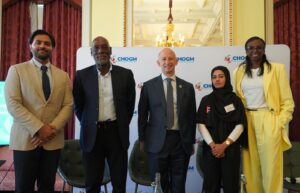
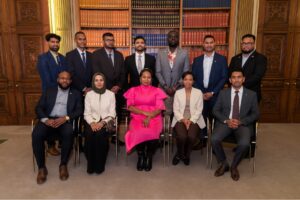
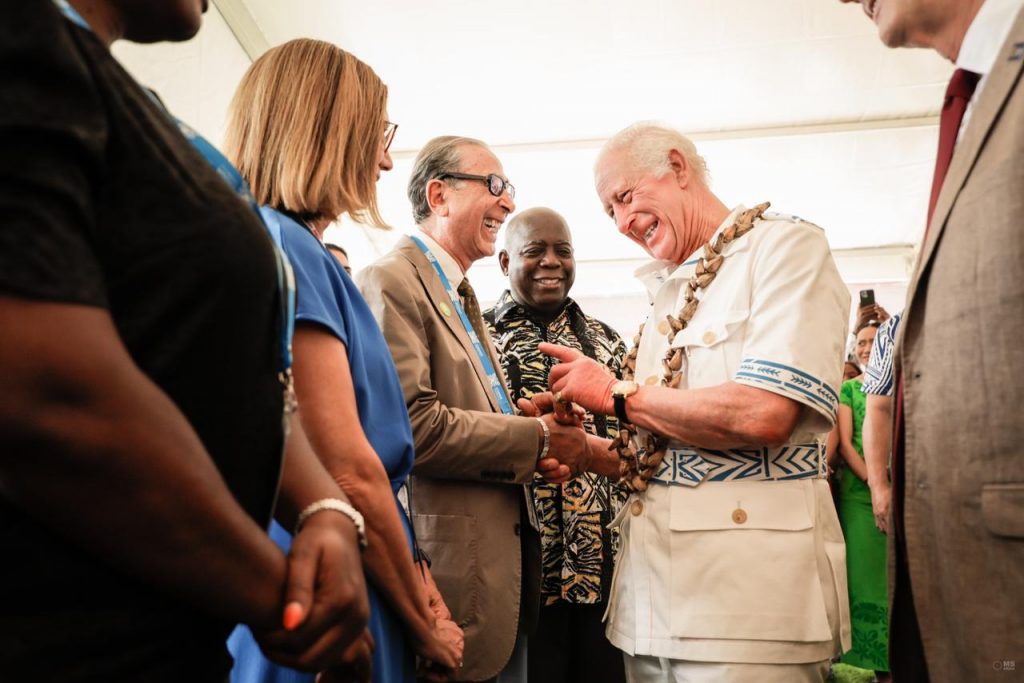
This is not a new relationship. The Khalili Foundation has supported The King’s Trust’s work for young people for several years, including its Young Global Leaders cohort. Foundation Trustee Nizam Uddin OBE previously led the Trust’s Mosaic initiative. This year, the Foundation’s Chief Executive, Waqas Ahmed, represented the Foundation in person at the Trust’s fiftieth anniversary celebrations, attending events at both Buckingham Palace and the Royal Albert Hall.
The sessions were conceived to meet a specific and growing need. Hate crime has been rising across the UK, and young people are often the first to encounter its consequences, whether online, in their neighbourhoods, or in the assumptions made about them by others. Using the Foundation’s Interfaith Explorers educational resources as a foundation, the Trust’s Youth Development Leads built sessions that ask participants to confront stereotyping directly, rather than simply hear about it.
One session plan, run in Liverpool, opens with an icebreaker, a version of “pin the tail on the donkey,” before moving participants through an exercise called Desert Island, in which small groups populate an imagined island with people drawn from real biographies, then are asked to justify who they would choose to bring and who they would leave behind. The exercise is designed to surface, gently but unmistakably, the shortcuts and assumptions young people don’t always notice they’re making. Merseyside Police’s Knife, Hate Crime and Gangs team joins the Liverpool sessions directly, bringing first-hand accounts of what hate-related behaviour costs in practice.
The results, where the Trust has been able to measure them, are striking. In Birmingham, where the Foundation’s support has helped fund 59 young people through Explore this year, every single participant in the Hate Crime Awareness sessions went on to move into education, employment, training, or another Trust programme. It is the kind of number that is easy to write and much harder to earn, built four weeks at a time, in cohorts of around twelve, through a structured mix of growth mindset workshops, outdoor development activities and life skills sessions.
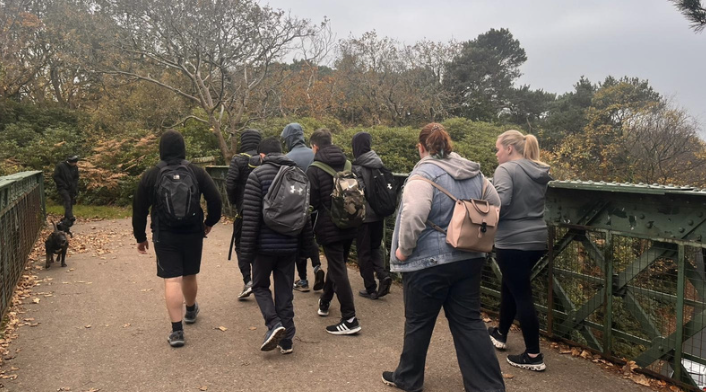
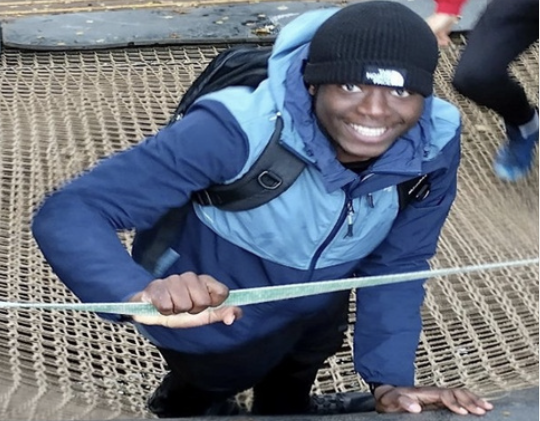
Individual stories carry the weight that statistics alone cannot. Pride joined Explore in Liverpool in September 2025, referred by his Targeted Services Officer after losing his place on an Armed Forces preparation course over attendance issues. He arrived, by his own account, held back by “bad friends, who were negative influences.” Over the following weeks, his Youth Development Lead Owen watched him rebuild, first his routine, then his confidence, then his relationships with the group around him, until he became, in Owen’s words, “the member of the group who was approachable and friendly towards everyone.” Pride now hopes to return to college, find work, and reapply to the Royal Marines. “I have learned that everyone deserves full respect,” he said, “and in life you need some good friends that you can share your problems with, can motivate you and be a positive influence on you.”
Stories like Pride’s sit within a much larger picture. Across all its programmes in 2025/26, the Trust supported 39,816 young people, 56% of them from the most deprived thirty percent of neighbourhoods in the UK, and three in four went on to move into work, education or training. Vasilia Nicolau, the Trust’s Head of Philanthropy for Trusts, put it plainly in her letter to the Foundation’s trustees this year: “Your support helps ensure young people on Explore are not defined by their circumstances, but empowered to build brighter, more secure futures.” She added her thanks for the Foundation’s role “in being an essential part of our community.”
The partnership sits comfortably alongside the Foundation’s wider work with the Trust, which has included co-funding Global Citizenship Education for the Trust’s Young Leaders and supporting its Our United Cultures programme more broadly. As the Trust looks toward its next phase, a £150 million campaign aiming to reach 150,000 more young lives by the end of the decade, with a deliberate focus on the UK’s most deprived towns and cities, the Foundation’s support for United Cultures stands as a clear example of what that ambition looks like at the level of a single classroom, a single cohort, a single young person choosing a different path forward.